
If you are selling a property in Garfield Heights, a point-of-sale inspection—usually called a POS—is part of the sale process. It is not optional: the City requires a current Certificate of Inspection or Certificate of Compliance before an owner sells, transfers, conveys an interest in, or enters an agreement to sell a covered property.[1]
That requirement applies to homes, commercial buildings, and other property with buildings. A POS does not automatically mean you must repair everything before closing, but it does mean the inspection and the City’s transfer requirements need to be addressed before title can transfer.
What is a POS?
A POS is a municipal inspection connected to the sale or transfer of a property. In Garfield Heights, the City describes it as an exterior inspection and requires a Compliance Certificate for transfer of title.[2]
The inspection is different from a buyer’s private home inspection. Its purpose is to identify violations of the City’s applicable codes at the time of inspection. The Certificate of Inspection lists the violations found, if any.[3]
A POS is mandatory when you sell a house in Garfield Heights
For a normal sale, the seller must obtain a POS inspection before title can transfer.[1] The City still needs to inspect the property and receive the required title-transfer paperwork.[2]
The inspection may identify violations, but that does not necessarily mean the seller must repair every item before the sale. A buyer can agree to assume outstanding violations instead. In that case, the buyer completes the City’s Buyer’s Acknowledgement Form and the required affidavit.[2]
When the buyer assumes the violations, the repairs become the buyer’s responsibility after the transfer. The City gives the buyer 90 days from the transfer date to complete them.[2]
That is why it helps to obtain the POS early in the sale process. It gives the seller and buyer time to review the cited violations and decide whether the seller will make repairs or the buyer will assume them.
What does a Garfield Heights POS include?
For a seller, the important part of the POS is the violation list. Garfield Heights uses property-maintenance standards, and the inspection report identifies the conditions found at that house.3
From smaller fixes to more expensive work, a report can include:
- Paint, trim, siding, doors, or windows: Deteriorated exterior surfaces that need repair or weather protection.
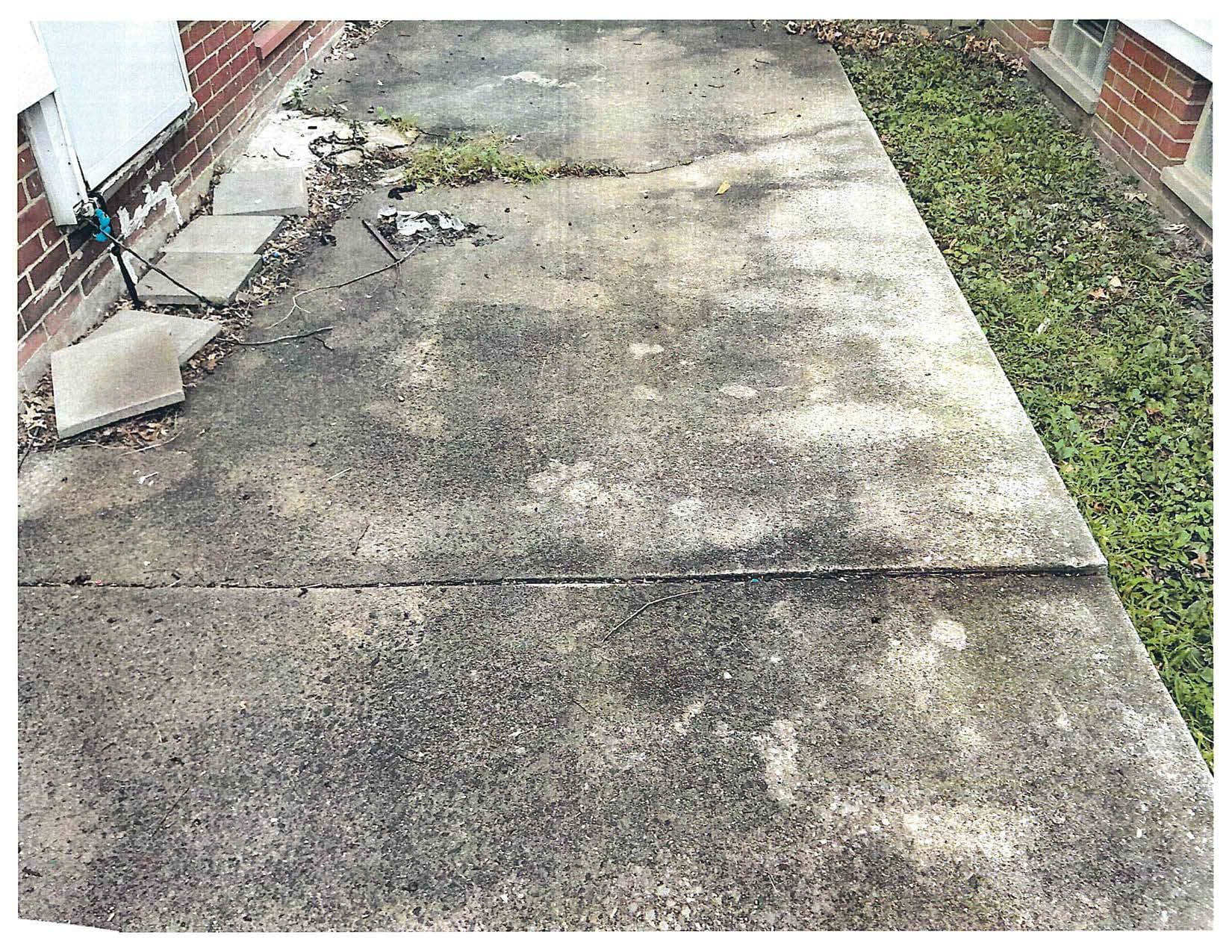
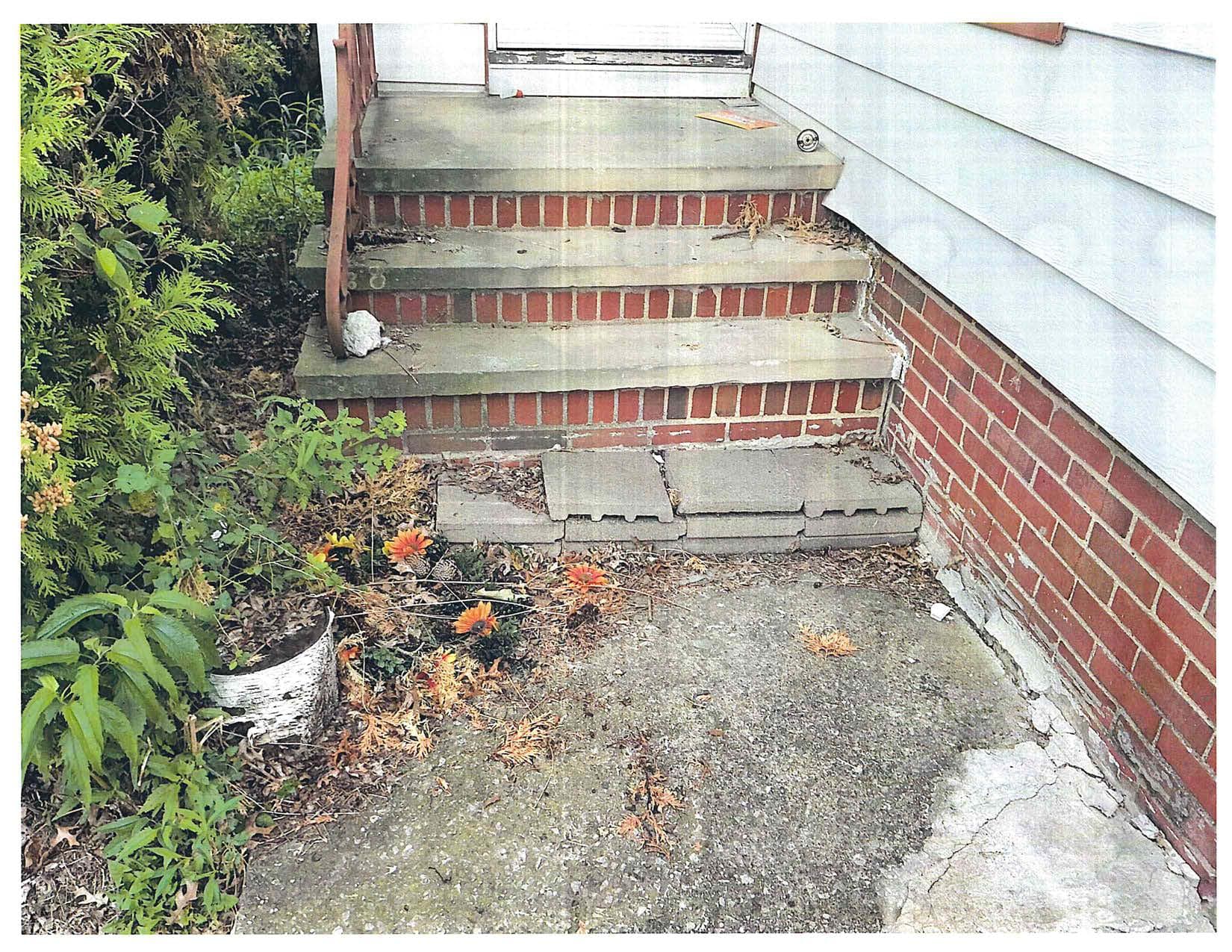
- Walkways, stairs, driveways, and drainage: Cracked, uneven, loose, or settled concrete can be cited when it creates a hazard.[3]
- Roof, chimney, or masonry issues: Conditions that let water in or leave exterior materials unprotected.
- Foundation or unsafe structural conditions: Serious deterioration, unsafe steps or porches, or major masonry failure can require substantial work.
The inspection report—not a general checklist—determines what is cited for a particular house.
How the process works
Step 1: Apply for the inspection. The owner or an authorized agent submits the City’s application for a Certificate of Inspection and pays the required fee. For a dwelling, the current inspection fee is $200.3
Step 2: Schedule the inspection. The City schedules it during Housing Inspection Department business hours. The code says the City will cause the inspection to be made within 10 days after receiving the application and fee, subject to its stated exceptions.[3]
Step 3: Receive the report. After access to the property, the City issues the Certificate of Inspection within 10 working days under the code’s schedule.[3]
Step 4: Decide who will correct the violations. The seller can complete the cited repairs before closing. In an as-is sale, the buyer may agree to take responsibility for the remaining POS violations, while the seller may reflect the expected repair cost in the price or a negotiated credit. If the buyer assumes the violations, the buyer acknowledgement must be completed, notarized, and returned to the City as part of the title-transfer requirements.[2]
Step 5: Complete any remaining repairs. When a buyer assumes outstanding violations, the buyer also completes a notarized affidavit and has 90 days from transfer to complete the repairs. Otherwise, the seller resolves the cited items before closing.[2]
The report is useful early in a sale because it identifies the City’s requirements before the transfer date. If you are weighing an as-is direct sale, Your House in Cash can make a no-obligation cash offer for you to compare with other sale options.
What POS violations can cost to fix
The $200 City inspection fee is small compared with the cost of correcting a violation. The exact cost depends on the condition, access, permits, and how much work is actually needed.
| Common POS issue | Approximate repair cost |
|---|---|
| Paint, trim, small siding repairs, or a minor concrete repair | About $1,500 |
| Concrete walkway replacement | About $2,300[10] |
| Concrete front-step replacement | About $3,250[11] |
| Drainage correction, such as a French drain | About $3,750[12] |
| Full concrete driveway replacement | About $4,100[9] |
| Full roof replacement | About $13,000[7] |
| Major foundation or structural repair | About $10,000+ [8] |
* Prices are estimates and may change based on the property’s condition, the scope of work, permits, and local labor costs.
One cited item does not always mean a large project. But roof, masonry, drainage, and foundation issues can change the cost of a sale quickly. If the buyer assumes the violations in an as-is sale, the expected repair cost is often part of the price or credit discussion.
Plan for the POS before your closing date
A Garfield Heights POS is a required part of selling, but it is easier to manage when it is treated as an early sale task rather than a last-minute closing issue. The certificate tells everyone involved what the City found and what must be addressed for the transfer to move forward.