
Real estate wholesaling is a way to sell a house through a contract that a buyer may transfer to another buyer for a profit. It can be a faster, off-market path, but it is important to understand who is buying, what the contract allows, and how the price compares with your other sale options.
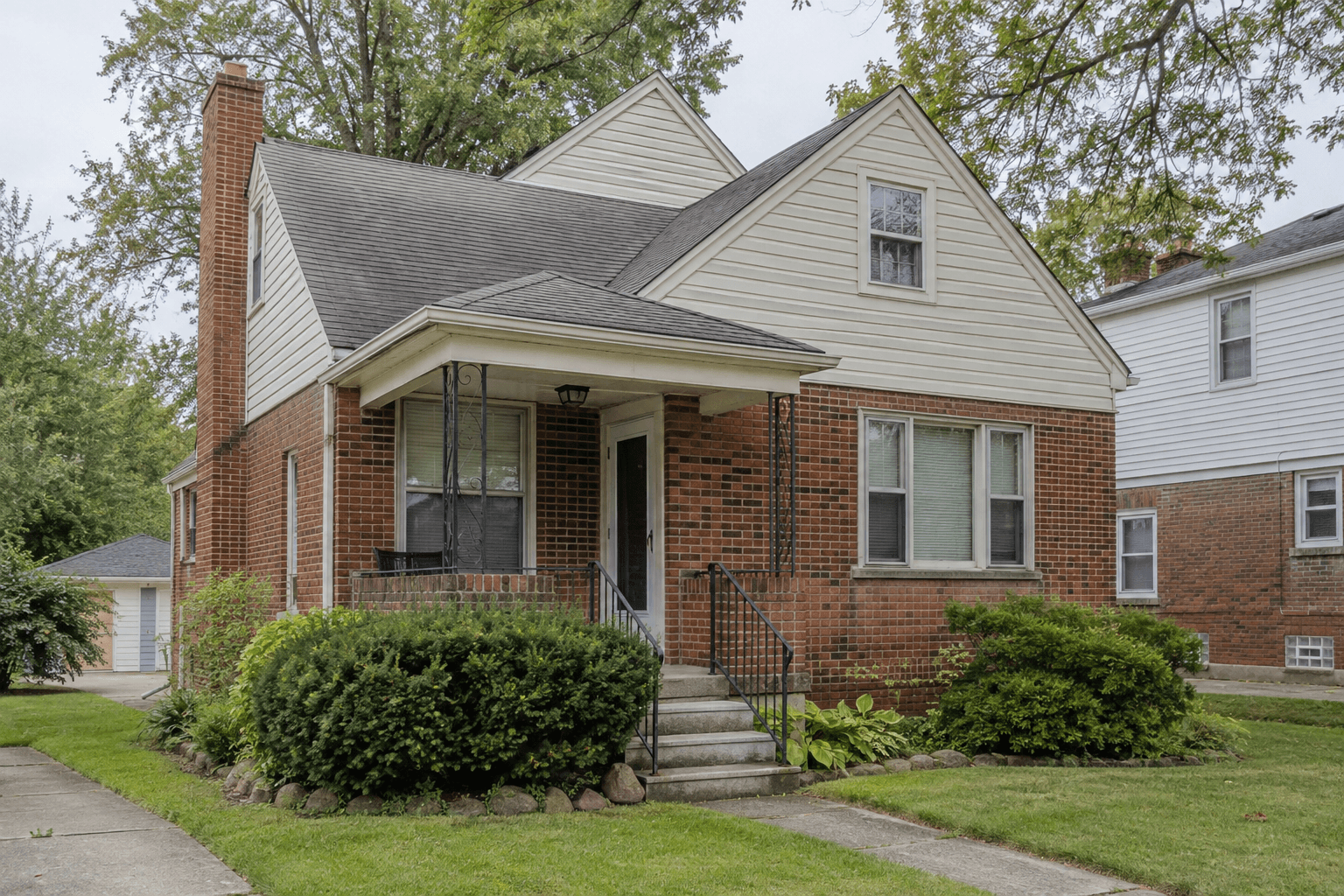
What is real estate wholesaling?
In a wholesale transaction, a person or company enters into a contract to buy a property and then assigns its contractual interest to another buyer. The wholesaler may receive a fee from that later buyer or make a profit from the difference between its contract price and the later buyer's price.[1]
The wholesaler is not necessarily the person who will own the house at closing. That is why the contract language matters: it may allow the wholesaler to transfer its interest to someone else before closing.
How the process works
The details vary by contract, but a wholesale transaction commonly follows this pattern:
Step 1: Offer and contract. A wholesaler presents an offer and a purchase contract to the owner.
Step 2: Agreement. The owner and wholesaler sign the required documents and agree on the purchase price and other terms.
Step 3: Buyer search. The wholesaler finds another buyer for its contract interest.
Step 4: Assignment. The wholesaler assigns the contract to that buyer, if the contract permits it.
Step 5: Closing. The closing is completed according to the final agreement.
The owner should be able to identify the agreed purchase price, whether the agreement is assignable, the closing deadline, and what happens if the transaction does not close.
How is wholesaling different from working with an agent?
An off-market wholesale sale gives a seller a direct way to sell an as-is house without preparing it for public marketing. The comparison below shows how it differs from listing with an agent.
| Direct wholesale sale | Listing with an agent | |
|---|---|---|
| As-is condition | Built for houses that need repairs, cleaning, or updates. The buyer purchases the property in its current condition. | Buyers may request inspections, repairs, or credits. |
| Time and preparation | A simpler, faster path without preparing the house for public marketing. | The process can include preparing the home, marketing it, reviewing offers, and working through buyer financing. |
| Showings | No public showings or open houses. | Often involves showings and may include open houses. |
| Commission | No traditional listing commission paid by the seller. | In most traditional agent-assisted sales, agents are paid a commission based on the purchase price. Recent Ohio estimates place the total around 5% to 6%. [2] [3] |
| Buyer and closing | The wholesaler buys the house or assigns the contract to another buyer. A clear plan for who will close and when helps keep the transaction moving. | The agent markets the house and helps manage offers; the final buyer and closing timeline are determined through the listing process. |
The main difference is that a wholesale offer gives the seller a direct, off-market sale path, while an agent markets the property to seek buyers.
An off-market sale can offer real benefits, especially for a house that needs work or for a seller who values simplicity. But in some cases, listing with an agent on the open market may make more sense. If your house is newer or fully updated, wider exposure can attract more interested buyers, create stronger competition, and potentially lead to a higher price.
Questions to ask a wholesaler
The answers should be clear before you sign. These questions can help you understand the offer, the contract, and who is responsible for each part of the transaction.
Is the price fair for my situation?
There is no single number that makes an offer fair. Ask the wholesaler to explain how they arrived at their offer price. Their explanation should account for the property's condition, needed repairs, comparable sales, expected costs, and the terms of the transaction.
How much earnest money is being deposited?
Ask for the earnest-money amount, when it will be deposited, who will hold it, and what the contract says happens to it if the buyer does not close. The deposit is only one part of the agreement, but it helps show how the buyer has committed to the transaction.
Who is handling the closing?
Ask which title company, escrow or closing agent, or other party will handle the closing. You should know where the closing will take place, who will receive and distribute funds, and what documents you will be asked to sign.
What is the wholesaler's track record?
Ask who the wholesaler is, how long the company has been operating, and whether it has completed similar transactions. You can also ask whether the person presenting the agreement will remain involved through closing and who you can contact if a question comes up.
Compare the full terms before you decide
The offer price is only one part of a wholesale agreement. Look at the assignment language, earnest money, closing date, inspection or cancellation rights, repair expectations, and who will actually close the transaction.
If a direct, as-is sale is one option you are considering, Your House in Cash can make a no-obligation cash offer. You can compare its price and terms with any other path before deciding what works for your property.